Woven Within Reach: A Sewist’s Guide to Waveney Valley Cloth in 2026
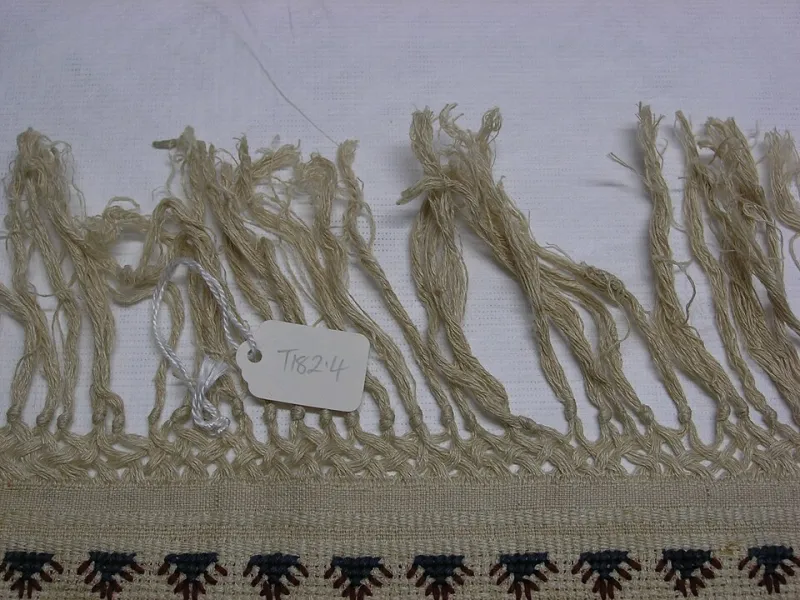
Photo: Ida Teutenberg; Franziska Teutenberg, CC BY 4.0, via Wikimedia Commons
The cloth on our doorstep
Beccles sits at the edge of the Waveney Valley, a landscape of water meadows, smallholdings and market towns. For a sewist, that geography is more than scenery. Within a short drive there are people growing flax, keeping small flocks and dyeing cloth with plants. In 2026, when so many of us are trying to buy less and choose better, local cloth is not a niche hobby. It is a practical way to make a garment with a story you can trace.
The appeal is not just romance. Local cloth has a different rhythm. It comes in small batches, it changes with the season and it often asks you to work with its quirks rather than against them. That can be intimidating, but it is also liberating. You are not trying to match a mass-market fabric; you are making something that belongs to a place.
How local fibre becomes cloth
Wool begins with fleece. A small flock is shorn in spring or early summer, then the fleece is skirted to remove the dirty edges. It is washed, carded and spun, sometimes by hand and sometimes at a mini-mill. The yarn may be woven on a floor loom or knitted into cloth. A woollen yarn is softer and more airy; a worsted yarn is smoother and stronger. For a home sewist, both can work, but they behave differently.
Flax is a slower process. The plants are grown, pulled and retted, then scutched and hackled before spinning. The result is linen: crisp at first, softer with every wash. Natural dyeing adds another layer. Madder gives warm reds, weld gives clear yellows, walnut husks give browns and onion skins give golds. The colours are rarely flat, which is part of the charm.
Three profiles from the valley
The people doing this work are often small-scale, and they do not always want to be a tourist attraction. The profiles below are representative of the growers, spinners and dyers you can find around the Waveney Valley.
A spinner near Bungay keeps a small flock of Shetland crosses. Her fleece goes to a mini-mill in Norfolk, comes back as yarn and is woven into soft, slightly irregular cloth. She describes the work as ‘farming with a needle in your hand’ and says the best pieces are the ones where you can still see the weather in the wool.
A flax grower outside Halesworth works a plot the size of a large garden. The crop is retted in the field, processed in small batches and spun into a linen that is ideal for summer tops and loose trousers. The grower admits the process is stubborn, but says that is why the cloth feels special.
A dyer just outside Beccles uses weld, madder and walnut from the hedgerows and garden. The dye pots change with the season, so two pieces of cloth from the same maker can be subtly different. That is not a fault. It is the point.
How to buy genuinely local cloth
The word ‘local’ gets used loosely. Ask questions before you spend. Who grew the fibre? Where was it spun? Where was it woven? What is the composition, the width and the weight? A cloth can be woven in the UK from imported yarn, or labelled British because it was finished here. Those are different stories.
Look for a maker who can name the farm, the mill or the dyer. Buy from farmers’ markets, guild shows, open studios and small online shops that list batch details. Ask for a sample if you are buying remotely. Handwoven cloth may have slubs, irregular selvedges and a narrower width. That is normal. Pre-shrink it before cutting, especially linen and naturally dyed wool. Wash a sample and see how the colour behaves.
Price is part of the conversation. Local cloth costs more because the labour is real. Buy less, choose carefully and use every scrap.
Why UK cloth suits home sewists
UK-made cloth is often stable and forgiving. Wool can be sponged and pressed into shape; linen softens beautifully; natural dyes age rather than fade away. Many small makers pre-wash their cloth, which saves you a nasty surprise. The main adjustment is width. Handwoven fabric is often 90cm wide rather than 150cm, so you need to plan your layout carefully. Simple shapes work best: pinafores, waistcoats, boxy jackets and loose trousers.
A simple garment: the Waveney waistcoat
A waistcoat is a good first project for a special local cloth. You need around 1.2 to 1.5 metres of 90cm-wide wool or linen, plus lining or bias binding. Use a simple waistcoat pattern with no set-in sleeves. Cut the fronts and back, bind the armholes and edges, add two patch pockets and finish the inside with French seams or binding. Keep the shape boxy and let the cloth speak. A contrasting binding made from a leftover strip of linen is a quiet nod to the maker’s hand.
Start close to home
You do not need a special trip to find Waveney Valley cloth. Ask at local guild meetings, look out for open studio weekends and check the labels at farmers’ markets. Buy a sample, feel it, ask where it came from. Then make something simple and wear it often. In 2026, that is a quietly radical way to sew.