Cold Snap, Quick Stitch: Five Winter Alterations for Beccles Wardrobes
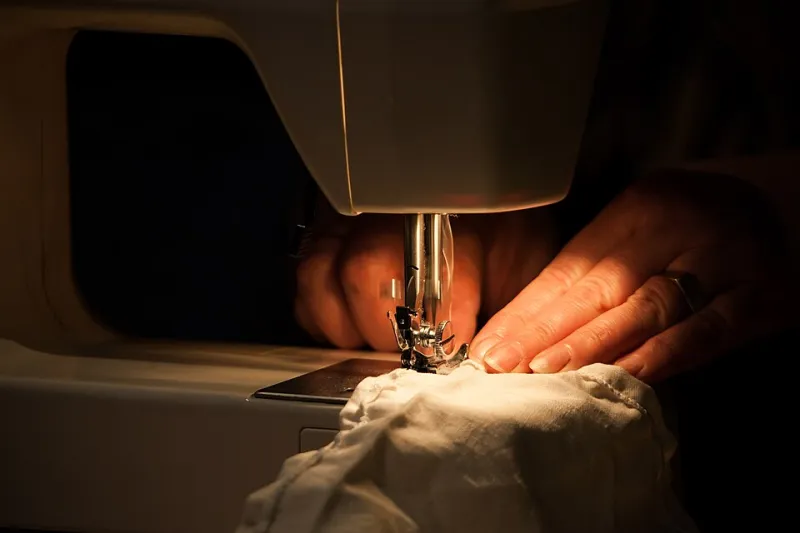
Photo: Tadeáš Bednarz, CC BY-SA 4.0, via Wikimedia Commons
November 2026 has arrived with the sort of damp, cheek-stinging cold that makes a wool coat feel less like a fashion choice and more like essential kit. In Beccles, that usually means digging out last winter's favourites and noticing the small annoyances: sleeves that swallow your hands, a lining that has given up near the hem, knit cuffs that flap open. None of these need a full tailoring job. With a basic kit and an hour or two, most can be sorted at the kitchen table.
Here at Beccles Sewing, we are firm believers that alterations should be practical first and pretty second. A repair that holds through a Waveney-side walk and a Saturday market trip is worth more than a fiddly couture finish nobody sees. So here are five fast fixes for the cold-weather wardrobe, with tool lists and stitch suggestions for Suffolk sewers who would rather mend than replace.
Start with a small, sensible kit
You do not need a dedicated sewing room for any of these jobs. A clear table, good light and a few reliable tools will do it. Gather sharp fabric scissors, a seam ripper, fine pins, hand-sewing needles, machine needles suitable for wool and knit fabrics, polyester thread, tailor's chalk, an iron and pressing cloth, and a small piece of lightweight interfacing.
For threads and notions, Beccles is well served if you know where to look. The town's charity shops are excellent for wool coats and jackets to practise on, and the Saturday market often turns up button cards and oddments. For a dependable all-purpose polyester thread, a local haberdashery or a trusted online supplier is fine — just match the thread weight to the fabric and avoid cheap cotton on heavy winter seams. If you are crossing the Norfolk border for a bigger shop, take a sample of your fabric with you.
1. Shorten coat sleeves without losing the cuff
A charity-shop wool coat with sleeves an inch too long is one of the easiest wins in winter sewing. Try the coat on over your usual jumper, pin the sleeve at the wrist bone, then take it off and measure the distance from the pin to the existing cuff. Add about 1.5cm for turning under, mark with chalk and cut.
If the coat has a proper cuff with buttons, you have two choices. The quick route is to fold the cut edge under, press it crisply and stitch with a small machine straight stitch or a hand backstitch. The neater route is to remove the original cuff carefully with a seam ripper, shorten the sleeve, then reattach the cuff. Either way, use polyester thread and a size 80 or 90 needle for wool. Press with a damp cloth, not directly on the wool, and test the sleeve length with your winter coat on over a thick knit before you commit.
2. Reinforce a tired jacket lining before the frost
Linings often fail at the armpit or near the hem, where friction does its worst. Turn the jacket inside out and look for places where the lining has pulled away from the seam allowance. Do not stitch through to the outer fabric. Instead, catch the lining to the internal seam allowance with a small backstitch or herringbone stitch, keeping your stitches loose enough that the lining still moves.
If the lining is worn thin but not yet split, iron a small patch of lightweight interfacing behind the area for support. This is a fifteen-minute job that can add a full season of wear. It is also worth checking the pocket bags while the jacket is inside out — a quick stitch along a fraying pocket edge saves a much more annoying repair later.
3. Tighten knit cuffs and add elbow patches
Knitwear is trickier than woven fabric, but only slightly. Use a ballpoint needle and a stretch stitch or narrow zigzag on the machine. For droopy cuffs, the fast fix is to fold the cuff over on itself and stitch with a zigzag, then press lightly. If the cuff is beyond saving, cut it off and replace it with ribbing from an old jumper or a length of knit ribbing from a haberdashery.
Elbow patches are having a moment, and they are a practical answer to thinning sleeves. Cut two ovals or squares of wool, corduroy or sturdy cotton, finish the edges with a zigzag or blanket stitch, then sew them in place by hand. Visible mending is not a failure of neatness; it is a record of use. On a favourite jumper, a contrast patch in mustard or rust looks deliberate rather than damaged.
4. Re-hem trousers for boots and wet pavements
Winter trousers often need a deeper hem than summer ones. Turn the trousers inside out, try them on with the boots you actually wear, and pin the new length so the hem sits just above the boot. Trim away excess fabric, fold under twice and press. Use polyester thread for strength, and consider binding the raw edge with bias tape if the trouser fabric frays badly.
A deep hem also adds a little weight, which helps trousers hang better and stops them flapping around wet Suffolk pavements. If you are short on time, a machine blind hem is quick, but a hand slip stitch gives a cleaner finish on wool trousers. Either way, press the hem properly before wearing — it makes the difference between homemade and well-mended.
5. Secure buttons and add a hidden snap
Loose coat buttons are a winter emergency waiting to happen. Re-sew them with buttonhole thread or doubled polyester, and build a small shank underneath so the button sits proud of the thick fabric. If a coat or cardigan gapes between buttons, sew a hidden snap fastener inside the front edge. It takes ten minutes and saves you from holding your coat closed against the wind.
Check zips too. A zip pull that has lost its tab can be replaced with a split ring or a short loop of leather. A zip that sticks can often be revived with a pencil rub along the teeth, then a careful run up and down. If the zip slider itself is failing, a replacement slider is a cheap fix and much less work than a full zip replacement.
Mend first, wear more
The thread running through all five fixes is the same: try the garment on, work slowly at the marking stage, and press as you go. If you are nervous, practise on a charity-shop scrap before you touch the good coat. Beccles has a quiet army of sewers who can help — ask at a local craft group, a church hall coffee morning or the library noticeboard. Stitch, mend and make it yours in Suffolk. Your winter wardrobe will thank you.