Something to Settle Under: Sewing a Weighted Lap Blanket for Beccles Evenings

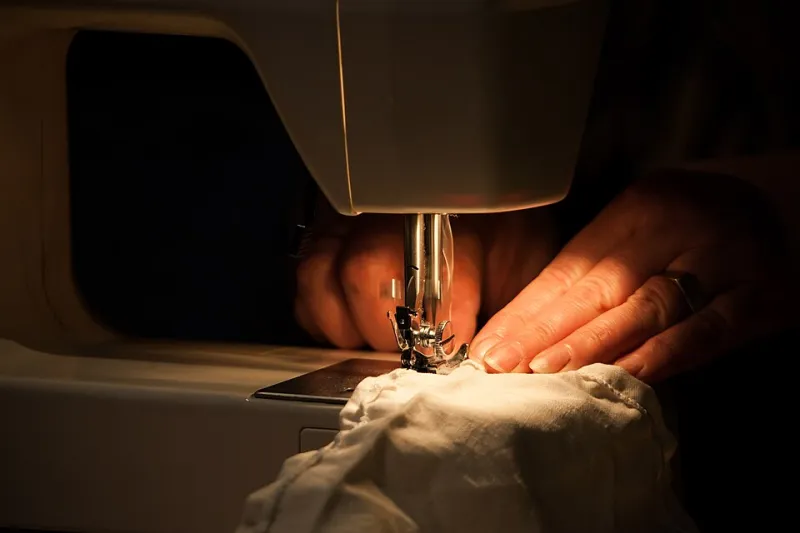
Photo by Photo by Marija Zaric on Unsplash on Unsplash
There is a particular sort of quiet that arrives in Beccles once November settles in. The afternoon folds up early, the windows go dark by the time you have thought about putting the kettle on, and the sofa starts to look less like furniture and more like a destination. A weighted lap blanket fits that mood nicely. It is a small, useful thing to make: heavier than a throw, lighter than a full duvet, and just the ticket for a slow evening with a bit of hand-sewing on your knee.
It is worth saying plainly that a weighted blanket is not a medical device and not a cure for anything. It is a textile object that some people find calming and cosy. If you are making one for yourself, start with that spirit: comfort first, common sense throughout, and no need to turn a pleasant winter project into a prescription.
Why a lap blanket rather than a whole-bed affair
A full-size weighted blanket is a serious piece of engineering. It uses a lot of filling, it is heavy to manoeuvre, and the consequences of getting the weight distribution wrong are much bigger. A lap blanket is a friendlier place to begin. You can test it on your knees before you commit, adjust the filling while the channels are still open, and lift it with one hand when you need to.
As a rough starting point, a lap blanket of about 70 x 100 cm is a good size for an adult. Many makers aim for something in the region of 1.5 to 2.5 kg, but that is a broad guide, not a rule. If you are making it for someone else, err lighter. Weighted blankets are not suitable for babies or very young children, and anyone with breathing difficulties, circulation problems, limited mobility or a condition that affects their ability to remove the blanket should check with a healthcare professional before using one. Never use a weighted blanket over the face or head.
Choose fabrics that can take a winter
The insert needs to be sturdy and washable. Tightly woven cotton is ideal: it holds its shape, takes a decent seam, and does not stretch out of true while you are sewing long channels. Linen blends work well too, though they can be a little shifty. Avoid jersey, ponte or anything with much give, because stretchy fabrics make uneven channels and lumpy filling.
The fabric shops around Beccles and across the Waveney Valley usually have a good range of mid-weight cottons this time of year. Look for something that has already been washed or pre-wash it yourself before cutting. Shrinkage after the blanket is filled is a miserable surprise. A soft cotton flannel or brushed cotton makes a lovely removable cover, especially for evening use, but keep the weighted insert itself in a plain, hard-wearing cloth.
A contrast thread is not essential, but it is a small pleasure. Winter sewing needs a bit of cheer, and a line of rusty orange or deep green running down the channels does no harm at all.
Filling: the part to get right
Skip rice, lentils, beans, corn or birdseed. They are not practical in a washable blanket, they can attract pests, and they may mould if the fabric ever gets damp. Use purpose-made weighted blanket filling instead: food-grade poly pellets, glass microbeads or steel shot, bought from a reputable supplier that provides clear safety and washing information. Check that the filling is washable and free from sharp edges, and keep it well away from children and pets while you work.
A removable cover is the kindest design. Make the weighted insert first, then sew a simple envelope-backed or zipped cover that can go in the wash far more often than the insert. If you are using fine poly pellets, consider a closely woven lining fabric inside the channels as an extra barrier. Weigh the filling on kitchen scales and divide it as evenly as you can between the channels. The channels should feel gently filled, not drum-tight. You want the blanket to drape a little, not stand up like a corrugated roof.
Channels, seams and a sensible closure
Cut two rectangles of insert fabric to your finished size plus seam allowance. Mark vertical channel lines every 8 to 10 cm across the width. Sew the channels from the bottom edge upwards, leaving the top open so you can add the filling. Backstitch at the start and finish of every line, then sew a second line close to the first on the bottom edge and any side seams that will take strain.
Fill one channel at a time using a funnel or a rolled paper cone. Shake the filling down gently, weigh each channel if you want to be precise, and do not overfill. When all the channels are done, sew the top opening closed with a double seam. Before you make the cover, hold the insert on your lap for ten minutes or so. If it feels too heavy, tip a little filling out before the final closure. If it feels too light, you can always add more, but it is much easier to make that decision now than after the cover is finished.
Add a small label with the filling weight and washing instructions. Future-you will be grateful.
A slow schedule for dark afternoons
This is not a project to rush. Wash and dry the fabric on one day, cut and mark channels on another, sew the channels on a third, and fill them over a couple of evenings while the radio murmurs in the background. Filling a weighted blanket is fiddly, repetitive work, and it is much nicer when you are not trying to finish before dinner. The cover can be a separate afternoon entirely.
That slower rhythm suits the season. In November 2026, with the light gone by late afternoon, there is something restorative about a project that asks you to sit still, weigh small handfuls of filling, and sew a straight line or two without any great drama.
Care, checks and common sense
Wash the cover regularly on a cool cycle and let it air dry. Check the insert seams every so often for splits or thin spots, especially around the top closure. Store the blanket flat or rolled loosely rather than squashed under a pile of heavier things. If you make one for a child, follow the supplier's safety guidance and take professional advice if you are unsure; weighted blankets are not for babies or toddlers.
A handmade lap blanket will not solve the dark evenings. It will, however, give you something warm and slightly weighty to settle under, made from cloth you chose yourself and seams you can trust. That is a good enough reason to spend a few winter afternoons at the machine.