Before You Plug It In: The Beccles Art of Buying a Second-Hand Sewing Machine
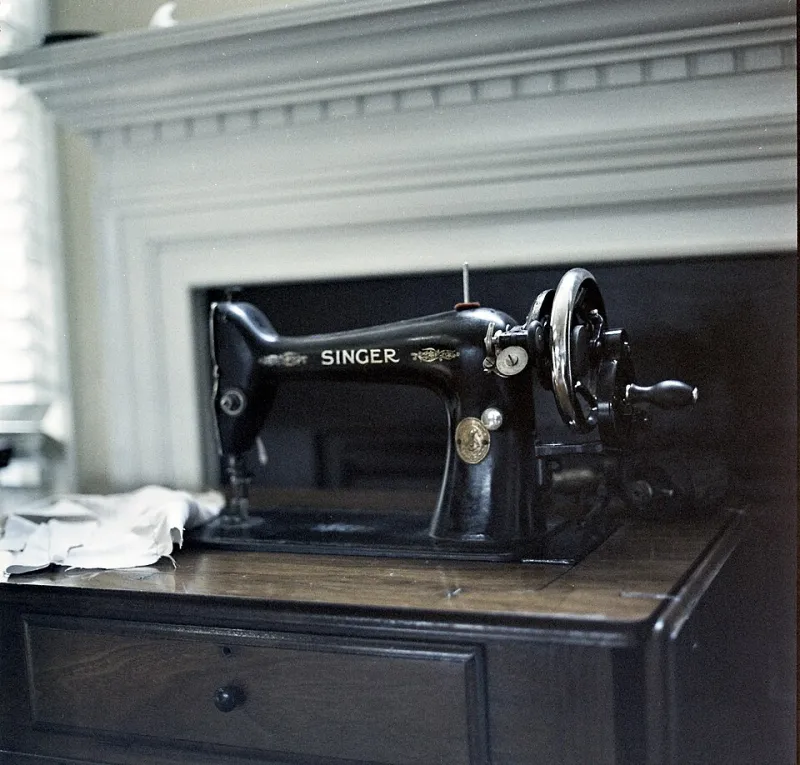
Photo: Tom Mills, CC BY-SA 2.0, via Wikimedia Commons
Walk into any Beccles charity shop and you’ll eventually spot one: a heavy little case, a smell of old oil, a handwheel that turns with a satisfying clunk. Somewhere between the bric-a-brac and the paperback thrillers, a second-hand sewing machine is waiting to be either a bargain or a doorstop. The difference is usually fifteen minutes of careful checking and a willingness to walk away.
In 2026, buying pre-owned makes a lot of sense. A basic new machine can cost £120 or more, and the cheapest ones often feel like toys. An older mechanical Singer — or a similar solid Japanese or German model — can be had for £20 to £80, and many will outlast us all. They don’t have screens to fail, firmware to update or proprietary feet that cost more than the machine. They just need cleaning, oiling and a bit of patience.
Why an old mechanical workhorse still earns its keep
There is a reason so many sewists learn on a second-hand Singer 99K or 201K. These machines are simple. The stitch length is a lever, the tension is a dial, and the bobbin winder is a small wheel that either works or doesn’t. You can see how the thing functions. When a stitch goes wrong, you can usually trace the problem back to threading, tension or lint rather than a mysterious error code.
They are also repairable. Parts for common vintage machines are widely available online, and a local engineer can often coax a seized machine back to life. Compare that with a modern budget model where a cracked plastic gear can write the whole thing off. For a new sewist in Beccles who wants to mend, alter and make clothes without spending a fortune, an old mechanical machine is a sensible first step.
That said, not every old machine is a good buy. Some are worn out. Some have been stored in a damp shed since the 1980s. Some are missing the one part that costs £40 to replace. The trick is to inspect before you fall for the romance of the case.
Where they turn up around Beccles
Charity shops in Beccles and nearby Bungay are worth a regular look, but go in with low expectations and a tape measure. Ask whether the machine has been PAT tested and whether it can be plugged in. Some shops will let you try it; others won’t. If they can’t test it, treat it as a project machine and price it accordingly.
Car-boot sales around the Waveney Valley are better for bargains but worse for guarantees. You might find a lovely old Singer for a tenner, but you might also find one that has been used as a doorstop. Online listings on Facebook Marketplace, eBay and local selling pages are useful because you can ask questions before travelling. Always ask for a short video of the machine running, not just a photo of it looking pretty.
If you’re buying from further afield — Lowestoft, Norwich, even Ipswich — factor in the cost of fuel and the risk of the machine bouncing around in the boot. A heavy machine in a thin case needs a blanket and a seatbelt, not a casual toss into the back of the car.
The five-minute inspection
Start with the handwheel. Turn it towards you slowly. It should move smoothly, with a little resistance, not grind, crunch or seize. Lift the presser foot and turn again. Listen for scraping. Check the needle bar for wobble and the presser foot for rust.
Open the bobbin cover and look inside. Is the bobbin case present? Is it the right one? A missing bobbin case can be cheap or annoying depending on the model. Shine a torch into the feed dogs and needle plate. Lint is normal; rust and broken needles are not.
Ask to plug it in. A machine that lights up but doesn’t stitch is not necessarily dead, but it is a gamble. Run it slowly without thread and watch the needle move up and down. Then thread it with your own thread and a scrap of woven cotton if you can. A simple straight stitch on double thickness will tell you more than any sales pitch. Check the tension by looking at both sides of the fabric. Loose loops underneath usually mean a threading or bobbin issue, not necessarily a fatal flaw.
Smell the machine. A hot, acrid smell suggests wiring problems. A musty smell suggests damp storage. Both are reasons to walk away unless you know a good engineer.
Tension, bobbins and the bits that go missing
Vintage Singers often use class 66 or class 15 bobbins, but not always. Check the manual or look up the model before you buy a bag of spares. The bobbin winder should spin freely and stop when the bobbin is full. Test it if you can. Missing presser feet are common, but generic feet are cheap. Missing slide plates, bobbin cases and specialty feet can be harder to source.
If the machine comes with a box of accessories, look through it. Original feet, screwdrivers and oil bottles are nice to have. A manual is a bonus, though many are available online. Don’t let a pretty accessory box distract you from a machine that won’t stitch.
What a service costs and what you can do yourself
A proper service from a local sewing-machine engineer usually costs £50 to £90, depending on the machine and what needs doing. That can double your outlay, so factor it in. Ask around in Beccles sewing groups or at fabric shops for recommendations. A good engineer will tell you whether a machine is worth saving.
At home, you can clean lint from the bobbin area, brush out the feed dogs and oil the points shown in the manual. Use sewing-machine oil, not WD-40 or cooking oil. Don’t oil plastic gears or sealed bearings. If the machine has been sitting for years, a service is usually wiser than a DIY overhaul.
A sensible price in 2026
A common vintage Singer in working order with a case and a few accessories should be £30 to £70. A serviced machine with a manual might fetch £80 to £120. A rare model or a Featherweight is a different market entirely. If someone wants £150 for a rusty machine that hasn’t been tested, smile and walk on. There will be another one.
Buying second-hand is not about getting the cheapest thing. It is about giving a sturdy old machine another chapter. If you check it carefully, ask awkward questions and budget for a service, you can end up with a quieter, kinder route into sewing — and a machine that feels like it has been waiting for you.