Neat Edges, No Serger: Five Seam Finishes That Earn Their Keep in a Beccles Wardrobe
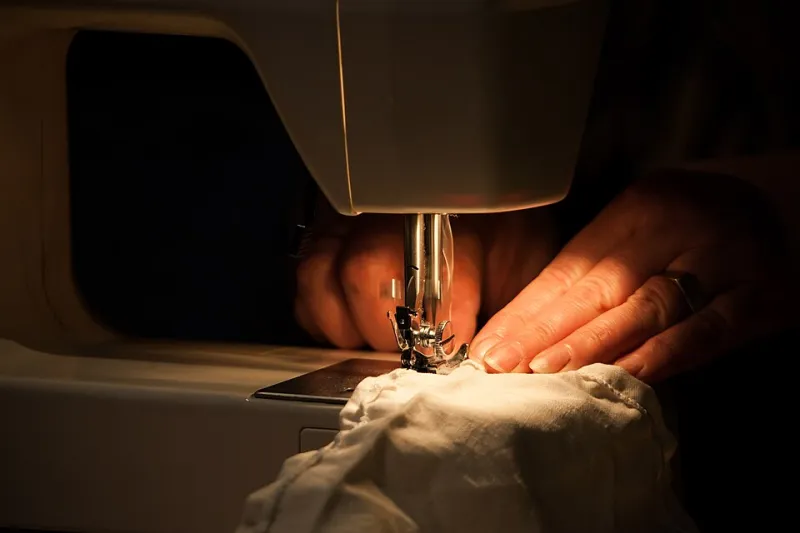
Photo: Tadeáš Bednarz, CC BY-SA 4.0, via Wikimedia Commons
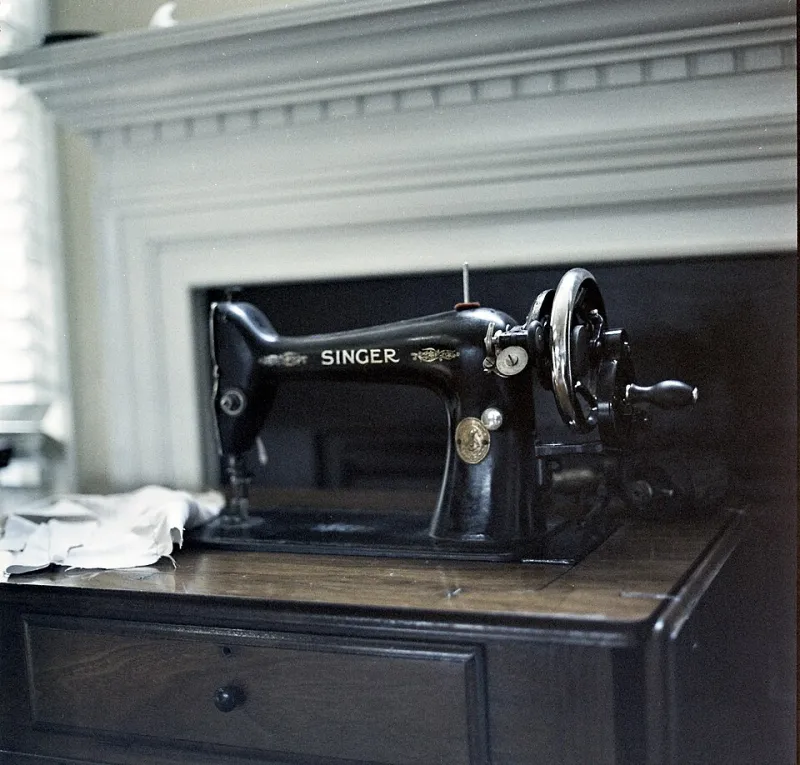
There is a particular kind of sewing guilt that arrives the moment someone says you really need an overlocker. It usually turns up in a fabric shop queue, or in a comment under a perfectly nice dress someone made on a basic machine. In Beccles, where half the pleasure of making is making do rather than buying more equipment, it is worth saying plainly: a serger is optional. Useful, fast, lovely on jersey, yes. But not the only way to stop a seam fraying into a fringe.
The finish you choose should come from the fabric, not from the machine you wish you owned. A tightly woven cotton lawn wants something different from a chunky wool coating or a wobbly bit of jersey. And a garment that will be washed every week in a Suffolk winter needs a different level of security from a cushion cover that lives on the sofa. So before you sew the real thing, make a few test squares.
Start with a test square, not the garment
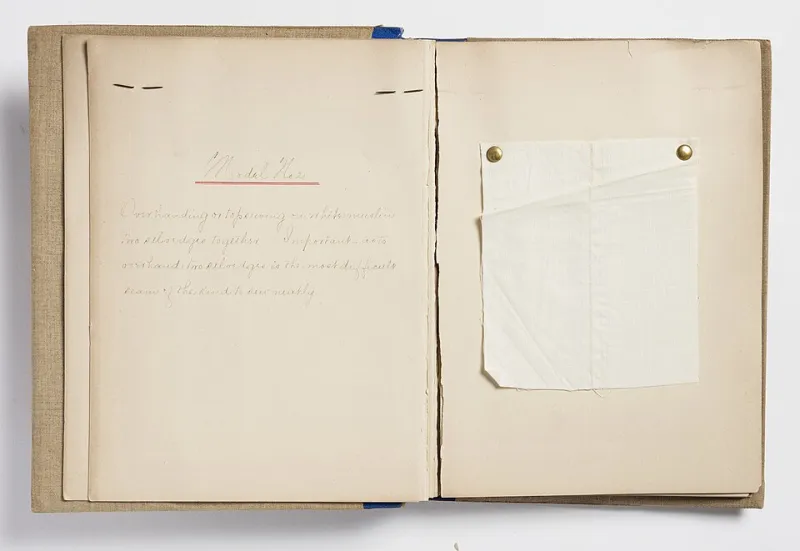
Cut six 15cm squares of each fabric you plan to use. Sew a seam down one side, finish it using the method you are curious about, then label it with a scrap of masking tape. Wash the squares in a mesh bag with your normal laundry, dry them as you would dry the garment, and press them. Keep them in a notebook or pinned to the wall of your sewing corner. It sounds fussy, but it takes twenty minutes and tells you more than any tutorial. You will see which edges fray, which finish stiffens the cloth, and which one puckers after a wash. Do this in daylight if you can. Beccles afternoon light is kinder to judgement than a single bulb at nine in the evening.
French seams: for light, tightly woven cloth
A French seam is the neatest trick in the book. Sew the seam wrong sides together, trim the allowance to about 5mm, press it flat, then turn the work right sides together and stitch again so the raw edge is trapped inside. Press the finished seam to one side. On cotton lawn, voile, lightweight linen and fine shirting, it looks almost couture from the inside. It is also excellent for children's clothes and anything likely to be washed often, because there is no loose edge to fray.
It is not the finish for thick wool, bulky seams or tight curves. A French seam on a heavy coating will feel like a ridge, and on a sharp armhole curve it will fight you. Keep it for straight seams and light-to-medium cloth. In a damp Suffolk winter, the golden rule is to dry the garment fully before it goes back in the wardrobe; a beautiful enclosed seam will still smell fusty if it is stored slightly damp.
Flat-felled seams: the workwear answer
If French seams are the neat scholar, flat-felled seams are the one in boots. They are strong, they enclose the raw edge, and they look deliberate. The classic method is to sew the seam wrong sides together, trim one allowance down to about 6mm, fold the longer allowance over the short one, press, and stitch close to the folded edge. On shirts, pyjama trousers, aprons, canvas bags and heavier cottons, they are hard to beat.
The catch is bulk. At a junction where several seams meet, a flat-felled seam can become a lump. Test on offcuts of the actual fabric, especially if you are using a charity-shop bedspread or a heavier linen. On simple, straight seams they are a joy, and they survive repeated washing with very little complaint. Press as you go. A flat-felled seam that is not pressed between steps will look homemade in the wrong way.
Zigzag overcasting: the honest workhorse
A zigzag stitch is not glamorous, but it is reliable. Set a medium-width zigzag, stitch close to the raw edge, and you have stopped most of the fraying on medium-weight cottons, linen blends and stable synthetics. If your machine has an overcast stitch, so much the better. Use a scrap first: too wide and the stitch tunnels; too narrow and it barely covers the edge. A little fray is normal. The aim is control, not perfection.
Zigzag overcasting is a good choice for the inside of tote bags, linings, casual trousers and seams that will not be seen. It is less good on sheer fabrics, where the stitching shows through, and it can wave on very stretchy jersey unless you use a stretch zigzag and light tension. It does not enclose the edge the way a French seam does, so it is not the most hard-wearing option for something washed weekly. But for many everyday projects it is plenty.
Mock overlocking: the three-step stitch
Many ordinary machines now include an overlock-style stitch or an overcast foot. It is not a serger, but it can give a tidy edge on medium wovens and stable knits. Practise on a scrap with the stitch width and length adjusted slowly. You want the needle to just clear the raw edge while the stitch wraps around it. If your machine has a pin on the foot, use it as a guide rather than fighting it.
Mock overlocking is a sensible middle ground for seams that will be washed but not abused: everyday skirts, simple tops, cotton trousers. It is faster than binding and neater than a bare zigzag. It is not as robust as a true overlocker, and it will not magically make jersey behave, but for many Beccles makers it is the practical answer. Check the seam after the first wash. If it is already looking fuzzy, move up to a bound or French finish next time.
Bound seams: the luxury finish
Binding a seam means wrapping the raw edges in bias tape or seam binding and stitching it down. It is slower, it adds a little bulk, and it looks wonderful on unlined jackets, wool skirts, heavy linen and any garment where the inside might be seen. You can buy binding or make your own from scraps, which is a nice use for the leftover pieces from a previous project.
Bound seams are excellent for fabrics that fray enthusiastically, and they protect the raw edge from abrasion. They are less happy on tight curves and very bulky intersections. If you are using a woollen fabric for a Beccles winter coat, test a bound seam on a curved offcut before you commit. And check that the binding itself will not shrink in the wash, or your careful finish will pucker.
Choosing for the wash and the weather
Repeated washing is the real test. French seams and flat-felled seams generally come through best because the raw edge is enclosed. Zigzag overcasting is fine for light wear but can fuzz with abrasion. Bound seams are strong, though the binding needs to be pre-shrunk. In damp Suffolk winters, let garments dry properly rather than leaving them crumpled in the machine. Wool needs air and space; cotton can mildew if stored damp. A quick press after drying also helps seams settle back into shape.
None of these finishes requires a serger. Try one per project, keep your test squares, and let the fabric decide. The overlocker can wait. Your ordinary machine has more to give than you think.