A Saturday Stitch Safari: Pootling Round Beccles for Buttons and Bias Binding
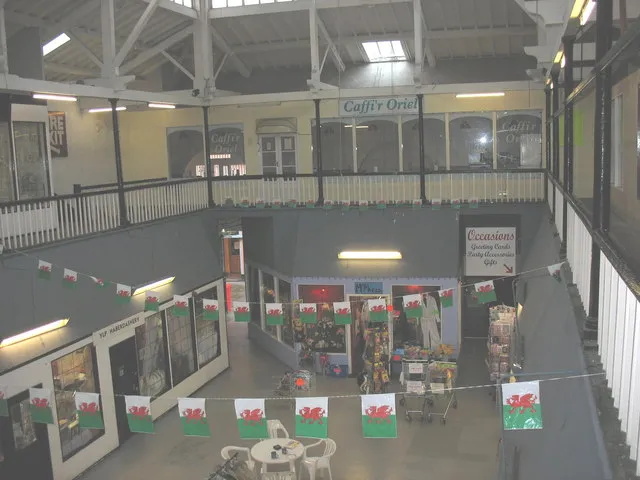
Photo: Eric Jones, CC BY-SA 2.0, via Wikimedia Commons
There is a particular pleasure in buying sewing supplies slowly. No basket, no scrolling, no next-day delivery — just a morning in town, a list in your coat pocket and the quiet satisfaction of coming home with three buttons you chose with your own eyes.
What follows is a loose route rather than a rigid itinerary. Shops change hands, opening hours shift with the season, and half the fun is discovering that the place you remembered as a card shop now sells ribbon. Treat the timings as suggestions, ring ahead if you're making a special journey, and give yourself permission to wander off course.
Nine thirty: the charity rails, before the crowd
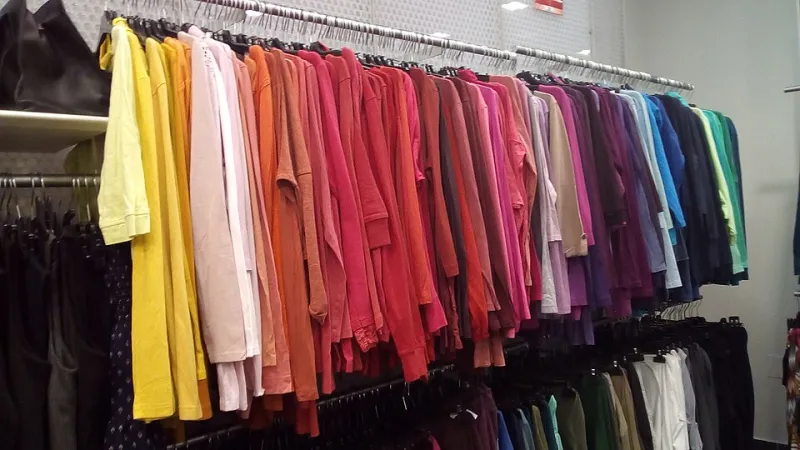
Start early and start at the top end of town, working your way in. Saturday mornings are gold in charity shops: donations from the week get sorted on Friday night, so the rails are freshest before eleven and the volunteers are still cheerful rather than besieged.
What to look for here isn't fabric so much as raw material. Men's shirts in good cotton make superb backing for tote bags and cushion covers. Wool skirts can be felted and cut into appliqué shapes. Old bedsheets are the cheapest practice fabric you'll ever find, and a £2 duvet cover gives you metres of toile for fitting a pattern.
Best for: practice cloth, buttons snipped from tired cardigans, and the occasional tin of vintage thread.
Ten fifteen: the haberdashery counter
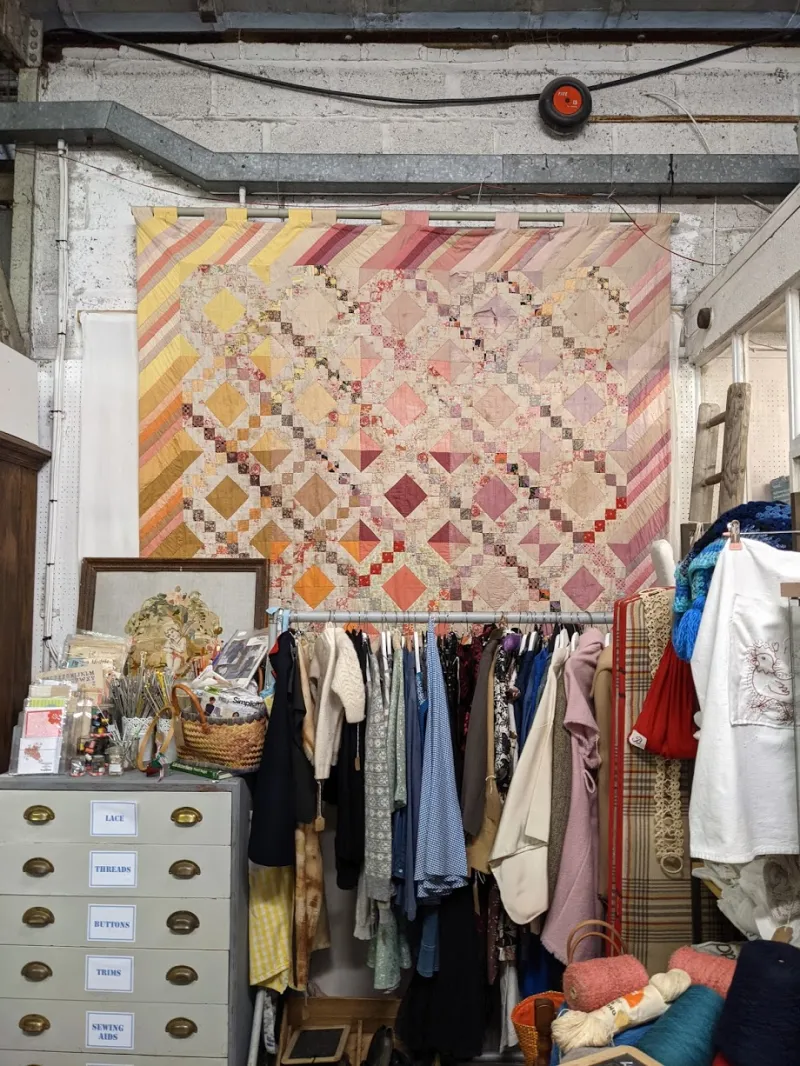
Every town needs one shop with a wall of wooden drawers, and Beccles' small independent retailers do the job nicely. This is where you go for the unglamorous things that hold a project together: machine needles in the right size, a proper seam ripper, interfacing by the metre, elastic that won't perish by February.
Go in with a list but leave room for one small indulgence. A card of buttons you don't strictly need is a ten-pence-a-day kind of happiness.
Best for: needles, zips, thread matched to a fabric swatch you've brought from home, and advice from someone who has been doing this for thirty years.
A tip worth knowing: take a scrap of your fabric with you. Matching thread under shop lighting is a gamble; matching it against the actual cloth is not.
Eleven: the market and the stalls
If your visit lands on a market day, head for the stalls before the lunchtime rush. Fabric traders and craft stalls come and go with the seasons, and the run-up to Christmas is when they're thickest on the ground — fat quarters, ribbon by the metre, knitting wool, occasionally a box of end-of-roll remnants going cheap.
Don't be shy about asking what's in the bargain box. Traders would rather sell a short length than pack it away, and a two-metre piece with a flaw in the middle is perfect for a project that only needs one good panel.
Best for: remnants, seasonal prints, wool, and the sort of oddments that never turn up online.
Eleven forty-five: coffee, and a proper think
This is not padding — it's part of the method. Sit down somewhere with a window, order something warm, and empty your bag onto the table.
Now look at what you've actually bought against what the project needs. Is the thread the right weight? Have you got enough binding for the whole neckline, or just the front? Did you buy the buttons before deciding on the buttonhole, which is the wrong order and a mistake we have all made?
Beccles has plenty of cafés happy to let you occupy a corner for twenty minutes with a notebook. Use it to write a proper list for the afternoon, and to decide what you can genuinely finish before Christmas.
Twelve thirty: the hardware shop detour
The most useful shop on a haberdashery crawl is often the least glamorous. A traditional hardware shop will sell you small sharp scissors, decent tweezers, a metal ruler, sandpaper for sharpening chalk, and storage boxes that cost a fraction of the craft-shop equivalent. A magnetic screwdriver is a brilliant seam ripper's companion for dropped pins.
Best for: tools, storage, and things sold in ones rather than multipacks of forty.
One o'clock: the remnant bin rummage
Save the rummage for last, when you're not rushed and your eye has settled in. Dig properly. Remnant bins reward the patient: the good stuff sinks, and the top layer is always the same three bolts of shiny polyester nobody wanted.
Feel for weight and drape rather than reading labels. Hold a length up to the light. If it creases into a soft fold rather than a crease that stays put, it will probably sew nicely into something flowing.
Best for: surprise finds, cheap linings, and fabric for the project after next.
On the way home
If the weather is kind, take the long way back past the quay and the marshes. It's flat, it's pretty, and it's a decent place to walk off the coffee while you plan.
A few practicalities before you set out: bring a cloth bag rather than relying on carriers, keep a small notebook and a fabric scrap in your pocket, and set yourself a budget in cash if you're prone to enthusiasm. Twenty pounds goes a surprisingly long way on a route like this — a couple of metres of cotton, a reel of thread, a card of buttons and a coffee, with change.
Shopping this way takes a bit longer than a click, and that is rather the point. You meet the people who sell you your supplies, you buy only what you can carry, and the money stays in town. For a winter's worth of making, that feels like a fair exchange.